Plumbing is one of the most essential systems in any residential or commercial building, yet it is often overlooked until a problem occurs. From delivering clean water to removing wastewater efficiently, plumbing systems play a critical role in daily life. When functioning properly, they provide convenience, hygiene, and comfort. However, when issues arise, they can quickly disrupt routines, cause property damage, and lead to costly repairs if not addressed promptly.
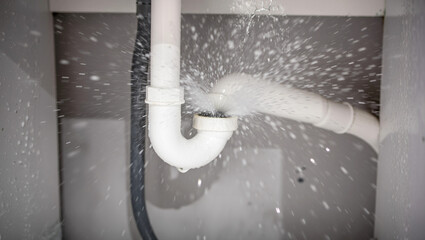
Modern plumbing systems are complex networks of pipes, fixtures, valves, and drainage components that require proper installation and regular maintenance. Over time, wear and tear, blockages, corrosion, and pressure imbalances can affect performance. Professional plumbing services help ensure these systems remain efficient, safe, and reliable through inspections, repairs, and preventative maintenance.
Why Plumbing Maintenance Is Essential for Every Property
Regular plumbing maintenance is crucial for preventing unexpected breakdowns and maintaining system efficiency. Small plumbing issues often go unnoticed until they escalate into major problems such as leaks, burst pipes, or water contamination. Preventative care helps identify these issues early and reduces the risk of expensive damage.
Plumbing also plays a direct role in water conservation and energy efficiency. A well-maintained system reduces water waste caused by leaks or inefficient fixtures. It also ensures that water heaters and other components operate efficiently, lowering utility costs over time.
Another important reason for plumbing maintenance is hygiene and health. Faulty plumbing systems can lead to water contamination, mold growth, and poor drainage, all of which may negatively affect indoor air quality and overall health conditions within a property.
Common Plumbing Services and Solutions
Professional plumbing services cover a wide range of tasks designed to maintain, repair, and improve water systems. These services address both minor issues and complex system failures, ensuring that plumbing infrastructure remains functional and safe.
Common plumbing services include:
- Leak detection and pipe repair
- Drain cleaning and clog removal
- Faucet, sink, and fixture installation
- Water heater repair and maintenance
- Sewer line inspection and repair
- Pipe replacement and repiping services
- Emergency plumbing repairs
Each service plays an important role in maintaining the overall performance of the plumbing system, preventing disruptions, and extending the lifespan of infrastructure.
Common Plumbing Problems in Residential and Commercial Properties
Plumbing issues can develop in any property regardless of size or age. Many problems begin as minor inconveniences but can quickly escalate if not addressed. Understanding common plumbing issues helps property owners take timely action before damage worsens.
Some of the most frequent plumbing problems include slow drains, dripping faucets, low water pressure, running toilets, and hidden leaks. These issues may seem minor at first but can indicate deeper system problems such as pipe corrosion, blockages, or pressure imbalances.
Typical plumbing issues include:
- Clogged sinks, showers, or drains
- Leaking pipes or fixtures
- Inconsistent or low water pressure
- Water heater malfunctions
- Sewer odor or drainage backups
Early detection and repair of these problems help prevent structural damage, mold growth, and increased water bills.
Importance of Leak Detection and Repair
Leaks are one of the most common and potentially damaging plumbing issues. Even small leaks can lead to significant water waste and structural damage over time. Hidden leaks inside walls, floors, or underground pipes are especially dangerous because they often go unnoticed until visible damage appears.
Professional leak detection services use advanced tools and techniques to locate leaks without unnecessary damage to property structures. Once identified, leaks can be repaired efficiently to restore system integrity.
Benefits of timely leak repair include:
- Reduced water waste and lower utility bills
- Prevention of structural damage and mold growth
- Improved water pressure and system performance
- Extended lifespan of plumbing components
- Enhanced property safety and hygiene
Addressing leaks early is one of the most effective ways to protect both property value and plumbing system health.
Drain Cleaning and Clog Prevention
Drainage systems are essential for removing wastewater efficiently from sinks, toilets, showers, and appliances. Over time, drains can become clogged due to grease buildup, hair, soap residue, food particles, and foreign objects. When blockages occur, water flow becomes restricted, leading to slow drainage or complete backups.
Professional drain cleaning services help restore proper flow and prevent recurring blockages. Advanced cleaning techniques ensure that buildup is removed thoroughly without damaging pipes.
Effective drain maintenance practices include:
- Regular professional drain cleaning
- Avoiding disposal of grease and solids in sinks
- Using drain strainers to catch debris
- Flushing drains with safe cleaning solutions
- Scheduling inspections for recurring issues
Preventative care is essential for maintaining long-term drainage efficiency and avoiding emergency plumbing situations.
Water Heater Maintenance and Efficiency
Water heaters are a vital part of any plumbing system, providing hot water for bathing, cleaning, and cooking. Like other plumbing components, water heaters require regular maintenance to operate efficiently and safely.
Over time, sediment buildup can reduce heating efficiency and increase energy consumption. Regular inspection and maintenance help ensure consistent performance and extend the lifespan of the unit.
Key water heater maintenance practices include:
- Flushing the tank to remove sediment buildup
- Inspecting heating elements and thermostats
- Checking for leaks or corrosion
- Ensuring proper temperature settings
- Scheduling routine professional inspections
Well-maintained water heaters provide reliable performance while reducing energy costs and preventing unexpected failures.
Pipe Maintenance and Replacement
Pipes form the backbone of any plumbing system, carrying water throughout the property. Over time, pipes can deteriorate due to age, corrosion, or environmental factors. Damaged pipes can lead to leaks, reduced water pressure, and contamination risks.
Regular inspection of pipe systems helps identify early signs of wear and prevents major failures. In some cases, partial or full pipe replacement may be necessary to restore system reliability.
Signs that pipe maintenance may be needed include discolored water, frequent leaks, or unusual water pressure changes. Addressing these issues promptly helps maintain system safety and efficiency.
Emergency Plumbing Situations
Plumbing emergencies can occur unexpectedly and often require immediate attention to prevent significant damage. Burst pipes, sewer backups, and major leaks are examples of situations that demand urgent professional response.
Being prepared for plumbing emergencies can help minimize damage and reduce repair costs. Knowing how to shut off the main water supply and contacting professional services quickly are important steps during emergency situations.
Common emergency plumbing scenarios include:
- Burst or severely leaking pipes
- Overflowing toilets or blocked drains
- Major water heater failures
- Sewer system backups
- Sudden loss of water supply
Quick action during emergencies helps protect property and reduce long-term repair expenses.
Preventative Plumbing Care for Long-Term Efficiency
Preventative plumbing care is one of the most effective ways to avoid costly repairs and system failures. Regular inspections and maintenance allow professionals to detect potential issues before they escalate.
Preventative care focuses on maintaining system balance, ensuring proper water flow, and reducing wear on plumbing components. This proactive approach helps extend system lifespan and improve overall efficiency.
Preventative plumbing strategies include:
- Routine system inspections
- Scheduled drain cleaning and maintenance
- Leak detection and early repair
- Monitoring water pressure levels
- Seasonal plumbing system checks
Consistent maintenance reduces the likelihood of emergencies and ensures long-term reliability.
Final Thoughts on Plumbing Services
Plumbing systems are essential to the comfort, safety, and functionality of any property. From water delivery to waste removal, they support daily activities and maintain hygiene standards. Proper maintenance and timely repairs are crucial for preventing damage, improving efficiency, and ensuring long-term system performance.
Professional plumbing services provide the expertise needed to handle everything from minor repairs to complex system issues. By investing in regular maintenance and addressing problems early, property owners can protect their plumbing systems, reduce costs, and maintain a safe and efficient living or working environment.